
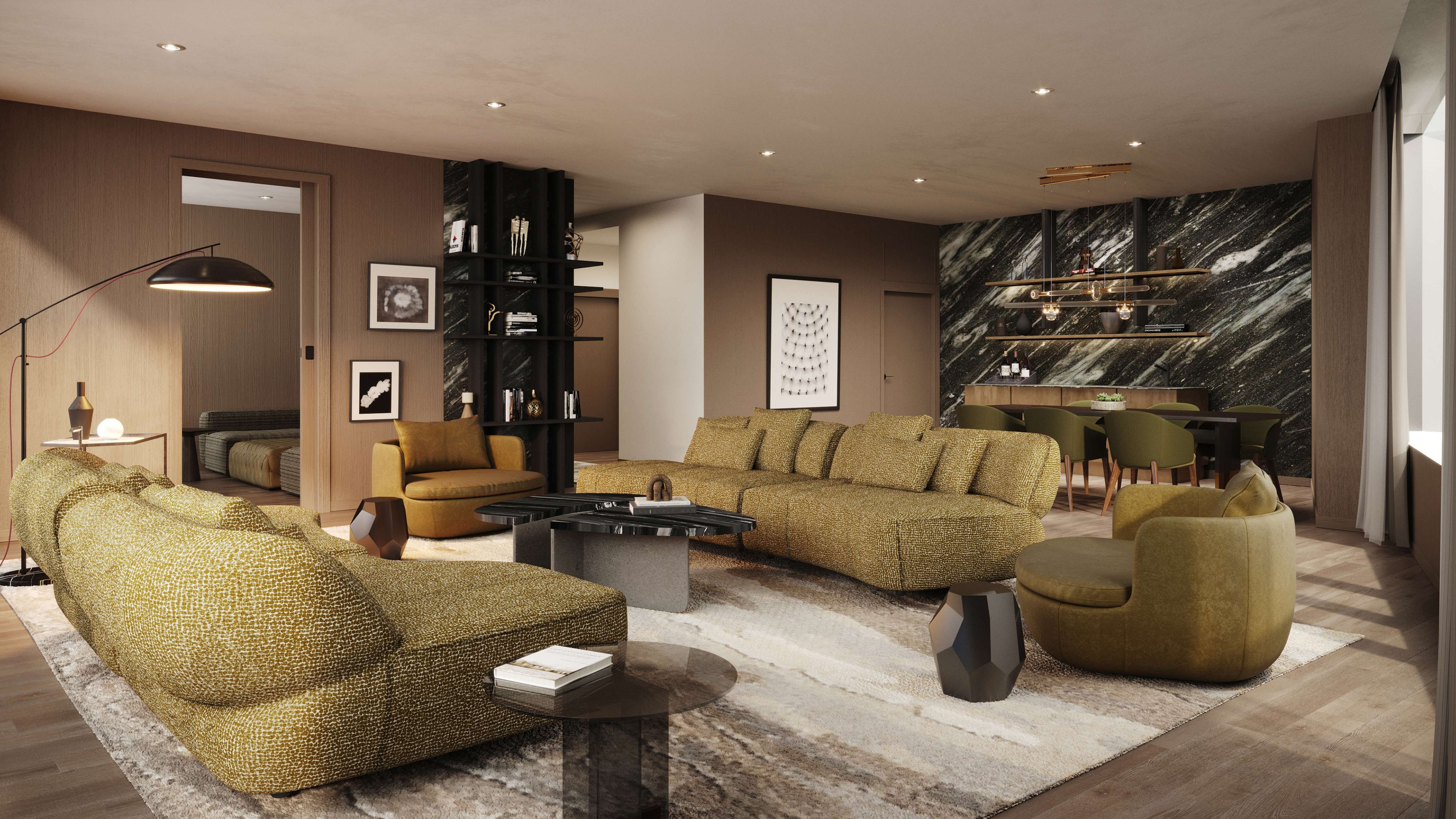
Luxury is often misunderstood. Many associate it solely with high price tags, glittering surfaces, or grandiosity. But these are superficial markers that overlook its true essence, and it is not about being pretentious. True luxury is defined by uniqueness, emotional resonance, and, more often than not, subtlety. Authentic luxury feels deeply personal, almost intimate. It whispers sophistication rather than shouting for attention.
Authenticity in modern living
We all instinctively recognize authenticity at a personal level — a genuine interaction, a heartfelt gesture, a handcrafted object. Yet in modern living, a sense of authenticity is increasingly elusive. Consumer culture prioritizes convenience over depth, and digital media inundates us with curated, idealized versions of reality. Together, these forces make it harder to distinguish the genuine from the merely surface-level. Our world has been overtaken by massive, prepackaged ideals of beauty that cloud our vision and dilute our appreciation for what’s real.
The influence of those mass-produced ideals shows up everywhere from architecture to interior design. Formal, scenic, overly processed façades have become the norm. Historical references are borrowed — not thoughtfully, but haphazardly — resulting in designs that feel more like imitations than tributes to the past.
The problem with overprocessed aesthetics
This superficiality is made worse by the growing misuse of AI in design. Artificial intelligence is a powerful tool, but it is often wielded by pseudo-designers who lean on prompts and algorithms to generate concepts that are nearly impossible to translate into buildable spaces — designs that lack the emotional depth and contextual understanding that define true luxury. A sleek high-rise might boast cutting-edge technology and modern materials yet feel lifeless if it disregards the cultural or environmental context of its location. It becomes a collage of clichés, stitched together without bones — or, to be precise, without a soul.
Quiet luxury speaks louder
Real luxury embraces quietude. It doesn’t chase trends or seek validation through extravagance. It prioritizes craftsmanship, context, and authenticity. A truly luxurious space or product feels timeless because it is grounded in values that transcend fleeting aesthetic trends.
Quiet luxury is about creating an experience — one that connects with people emotionally. I remember walking into a suite at the Ritz-Carlton Nomad, where the light temperature, the softness of the wall finish, and a subtle golden sheer allowed the breathtaking Manhattan skyline to enter not just the room but my consciousness. It made me feel special, privileged, at the top of the world. The design was simple, a frame for experiencing one of the most exciting cities in the world. That is the essence of quiet luxury — understated yet impactful, creating a connection that is both personal and timeless. It’s the soft texture of a handmade textile, the thoughtful design of a functional space, the warm glow of natural light in a room.
Moving beyond Disney-esque dreams
To move forward, we have to break free from the “Disney-dreamy” preconceptions of beauty that have dominated for too long — the overly polished, fairy-tale aesthetics that prioritize spectacle over substance and make a space feel more like a theme park than an authentic environment. That means letting go of overprocessed designs and embracing work that feels genuine, thoughtful, and alive.
The call for authentic design
True luxury requires intention. It’s not just about what’s created, but how and why. For designers, that means going beyond AI-generated concepts and surface-level aesthetics — digging into the story, culture, and purpose behind a project. For clients, it means choosing designs that resonate on a deeper level rather than settling for what’s flashy or convenient.
In the end, luxury isn’t about excess or showmanship. It’s about authenticity, connection, and meaning — about creating and living in spaces that feel truly, uniquely yours.